Custom Facility Load Planning
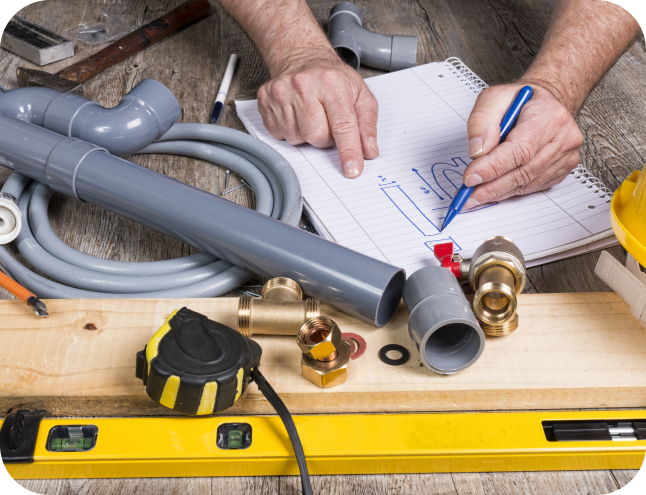
We map out your facility's comprehensive hydraulic flow rates and drainage fixture unit ($DFU$) requirements, factoring in concurrent peak usage demands and overall pipe distance to craft a custom utility network and branch pipe size transitions that permanently eliminate water pressure drops.
Main Facility Shut-Off & Zone Valve Upgrades
We pull out sticky, corroded, or outdated isolation valves and replace them with high-grade, commercial-duty brass or stainless steel ball valves, giving your staff smooth, dependable sectional isolation points to prevent building-wide water shut-offs during maintenance.
Backflow Prevention & Cross-Connection Optimization
We install, test, and calibrate code-mandated commercial backflow assembly units, ensuring the potable water supply feeding your facility is perfectly protected from cross-contamination and siphoning risks to eliminate municipal fine liabilities.
The Commercial Plumbing Process
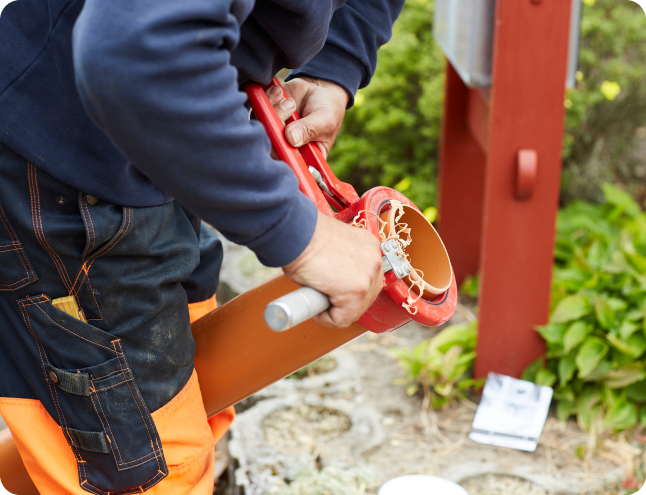
Our team works from a strict safety and corporate compliance playbook. We begin by calculating exact system fixture loads and providing a clear, upfront flat-rate quote. Once approved, our clean, certified commercial technicians shield your workspace floors, run the heavy-duty pipe layouts to exact local plumbing codes, and perform meticulous hydrostatic pressure and drainage flow tests before a final engineering walkthrough.
Commercial Piping Materials
Your corporate facility deserves better than thin-gauge tubing or residential-grade components prone to structural fatigue under constant use. We build our business networks using thick-walled copper pipe, schedule 80 PVC, and rugged cast iron or engineered stainless steel joints. Investing in these rugged materials shields your utility lines against heavy water hammer, thermal shock, and physical stress.
Commercial Infrastructure Safety
The integrity of your property's utility lines directly dictates your workers' and clients' health safety. We employ high-precision electronic equipment and construct flawless thermal expansion pathways to keep water temperatures safely regulated and graywater contained. Regular asset inspections reveal minor valve or line leaks long before they spark severe property damage or mold issues.
What are the types of commercial systems?
Corporate building layouts generally operate on three distinct large-scale systems: the potable water supply system (distributing high-pressure water up multiple floors), the plumbing fixture network (heavy-use flushometer toilets, commercial sinks, and appliances), and the DWV system (drain-waste-vent grids that use gravity and venting to drop wastewater into municipal mains).
What are the types of Commercial Pipes?
Modern commercial properties utilize a few distinct materials. Heavy-duty copper remains the standard for pristine, high-durability main lines and boiler rooms, while rugged cast iron or thick-walled DWV plastics excel at absorbing the noise and corrosive chemical demands of corporate drainage paths.