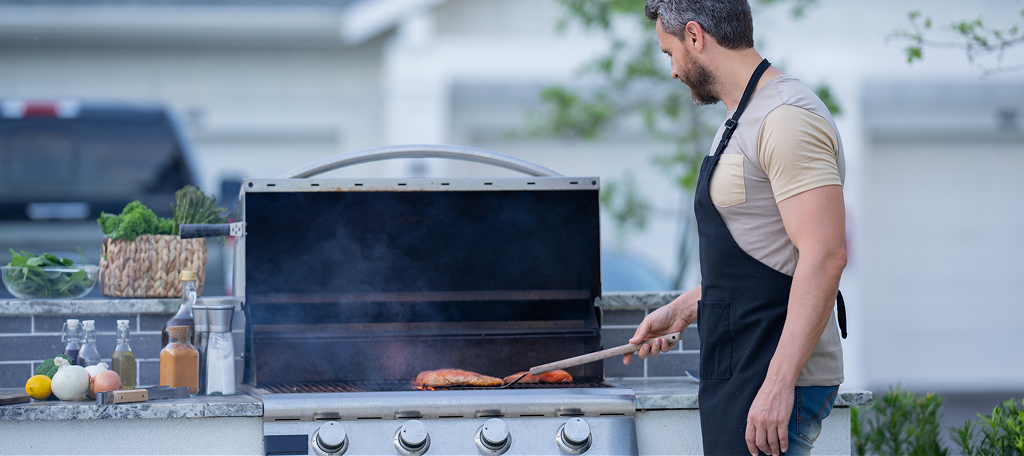
You know the moment. The burgers are halfway done, everyone is outside, and the propane tank quits when you thought it had another meal left. Now somebody has to leave, find a refill, and hope dinner is worth eating when they get back. After that happens once or twice, a permanent natural gas connection starts to make sense.
Before the pipe goes in, you need to settle where the BBQ will sit, confirm that the existing gas system can carry the added demand, and understand who handles the permit. Residential gas fitting services in Calgary often cover this type of outdoor connection, but the path of the pipe depends on the appliance, the house, and how you use the yard. Those are the decisions worth sorting out before work starts.
Decide Whether a Permanent Gas Line Fits the Way You Cook
A permanent gas line works best when the BBQ stays in one regular place. Instead of connecting a portable cylinder, the grill draws fuel from the home’s natural gas system. You still need to follow the BBQ’s shutdown instructions and look after the hose, but you will not be swapping or refilling propane tanks.
How often you cook outside matters here. If you grill most weekends and the BBQ stays put, the permanent connection may save plenty of refill runs. If the grill moves around the yard or spends most of the year in storage, propane may still be less trouble.
Choose the BBQ and Cooking Location First
Choose the exact BBQ model and cooking area before the gas fitter plans the connection. Look for a model the manufacturer built for natural gas. Some manufacturers do not allow conversions at all, while others approve only specific models and conversion kits. A hose that appears to fit does not make a propane BBQ compatible with natural gas.
Think about the patio when people are actually using it. A BBQ placed close to the house may block the door once chairs, guests, and a serving table fill the space. The gas fitter also needs to check the space required around the BBQ, the hose reach, and access to the shutoff. The City of Calgary requires three feet between a BBQ and the gas service regulator beside the meter.
Tell the gas fitter if you expect to rebuild the deck or add an outdoor kitchen. Moving the connection later can mean more piping and work around finished surfaces. A short pipe run does not help much if the BBQ ends up in the wrong part of the patio.
Gas Fitting Calgary: Capacity and the Pipe Route
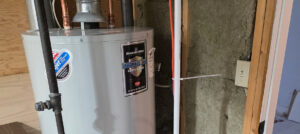
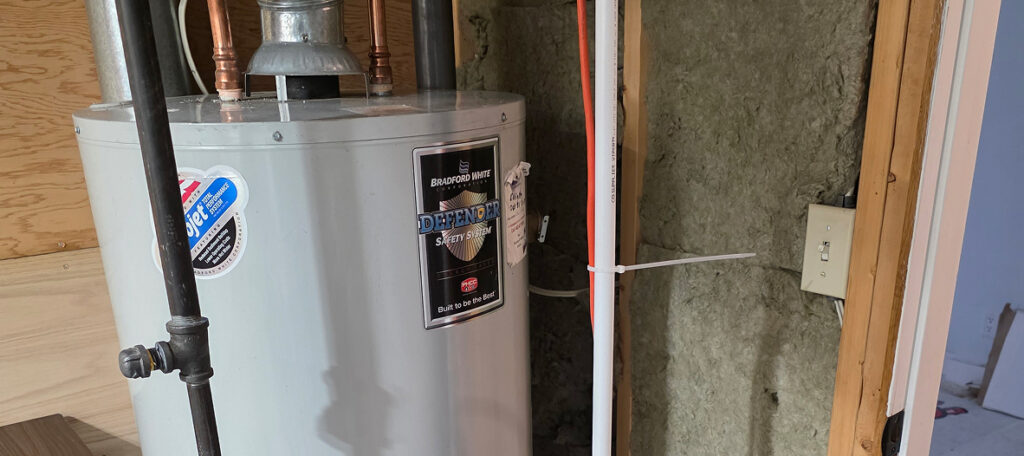
The gas fitter needs to confirm that the existing gas system can supply the BBQ and find a practical path to the patio. They look at how much gas the BBQ uses, what the other appliances need, the existing pipe size, and the distance to the cooking area. Those details show whether the new connection will work or whether part of the piping needs to change. An unused connection near the furnace or water heater does not prove that the system has enough capacity.
Your furnace, water heater, fireplace, and range may already place a heavy demand on the gas pipes. Mention any plans for a fire table or patio heater because those appliances would add more demand. Gas fitting experts in Calgary can then account for likely additions without installing extra piping for no reason.
| What the Gas Fitter Checks | Why It Matters |
| Other gas appliances | Shows how much demand the system already carries |
| How much gas the BBQ uses | Shows what the new appliance will add |
| Distance to the patio | Influences the size of pipe needed |
| Size of the existing gas pipe | Shows whether it can support the new connection |
| Future gas appliances | Shows whether today’s plan should include a later addition |
Check What the Gas Line Must Pass Through
The gas fitter needs a clear path from the existing gas pipe to the BBQ. An unfinished basement may make the job easier because the pipe is open and easy to reach. Finished ceilings, decks, concrete, or cabinets may require extra work if they block that path.
Sometimes the fitter can avoid opening finished surfaces by taking a longer route. That route may require more pipe, but it could reduce the repair work inside your home. Ask to see the planned path and find out what, if anything, needs to be opened.
Before the work for gas fitting in Calgary begins, ask:
- Where will the new pipe enter and leave the house?
- Will any wall, ceiling, or deck need to be opened?
- Does the quote include the repair work?
- What must remain open for the inspection?
Know Who Handles the Permit and Inspection
Most Calgary homeowners cannot apply for a gas permit themselves. Only a homeowner who is also an Alberta certified journeyman gasfitter may apply when working on their own single family home. In every other case, the licensed contractor completing the installation handles the permit and inspection under the City of Calgary plumbing and gas permit requirements.
A City inspector needs to see the permitted work before workers cover certain parts of the installation. The contractor can tell you which sections of pipe must remain open and when the inspection will happen. Ask about that timing before workers close walls, ceilings, decking, or trenches.
Make Sure You Can Reach the Shutoff Once the BBQ Is in Place
The shutoff should not end up behind the BBQ, inside a sealed cabinet, or under the deck where you cannot reach it. Put the BBQ in its planned spot and show the gas fitter where the table, chairs, and cabinet doors will sit. The fitter can then place the shutoff where you can turn off the gas without moving a heavy appliance or reaching over a hot grill.
The hose should form a short, loose curve between the wall connection and the BBQ. It should not cross a step, run under a wheel, or rest against hot metal. Health Canada advises checking the hose and its connections after winter. If you find cracks, worn areas, or damage, leave the BBQ off until a licensed gas fitter or authorized repairer replaces the affected part.
If you smell a rotten egg odour near the BBQ, move everyone away instead of trying to find the leak. Do not light a burner, use nearby electrical devices, start a vehicle, or do anything that could create a spark. From a safe location, call ATCO Gas at 1 800 511 3447, as advised by the City of Calgary. Keep the BBQ off until a licensed gas fitter has checked it.
About 5th Element Plumbing & Heating
At 5th Element Plumbing & Heating, we handle residential plumbing, heating, and gas fitting for homeowners across Calgary, Airdrie, Crossfield, Okotoks, and nearby communities. We are a local, owner operated company, and we keep our advice plain so you understand what the work involves. That means explaining the pipe route, permit process, and possible disruption before the tools come out.
If you are considering a permanent BBQ gas line, contact us and tell us where you want the BBQ to sit. We can look at the BBQ model, existing gas system, and proposed location before explaining what the installation may involve.